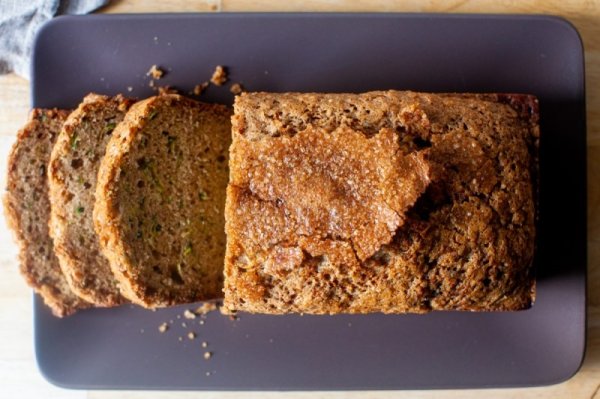
For years, home bakers have accepted a certain mediocrity in zucchini bread: squat loaves, sparse flecks of green, and a texture that's often dry or dense. But one food writer, known for her meticulous approach to classic recipes, has spent two summers perfecting a version that challenges these norms. The result is a tall, crunchy-topped loaf that's packed with two full cups of zucchini, and it's finally ready to share.
The recipe, which appears on her popular cooking blog, is a direct response to what she calls the 'complaints' she has about most zucchini bread recipes. The first issue: most recipes yield two squat loaves instead of one substantial, domed loaf. She argues that bakers should have the freedom to scale up as needed, rather than being locked into a two-loaf format that often sacrifices height and texture.
Another major gripe is the lack of zucchini in most recipes. The writer notes that many versions use only a few shreds, which does little for flavor or moisture. Her approach uses two cups of packed, grated zucchini—not wrung out—to ensure a tender, moist crumb. She emphasizes that the moisture in the zucchini is what makes the bread great, so the common step of wringing it dry is both unnecessary and counterproductive.
The recipe also simplifies the process: it's a one-bowl cake that can be mixed with a fork, no electric mixer required. The ingredients list includes 2 cups of grated zucchini, 2 large eggs, 2/3 cup of neutral oil (or olive oil or melted butter), 1/2 cup each of dark brown and granulated sugar, vanilla, salt, cinnamon, nutmeg, baking soda, baking powder, and 2 cups of all-purpose flour. A sprinkle of raw or turbinado sugar on top adds a crackly crust.
Perhaps the most unconventional advice is to wait a full day before eating. The writer insists that the bread is significantly better on the second day, and she recommends leaving it in the pan, unwrapped, to preserve the crunchy top. Wrapping it, she says, would ruin the texture that makes this loaf special. The bread keeps for 4 to 5 days at room temperature, with only the cut end wrapped in foil.
Why the Wait Matters
The resting period isn't just about convenience; it's a flavor and texture enhancer. The moisture from the zucchini has time to distribute evenly, while the top remains crisp. This two-stage approach—baking then resting—is a departure from the usual 'cool and serve immediately' advice, but it's a step the writer considers non-negotiable for the best results.
The recipe has been tweaked over two summers, and the writer describes the final version as 'best-in-show,' a loaf that's tall, crunchy, and epic. She suggests serving it plain or with a schmear of chocolate, sweetened cream cheese, or salted butter, which can be added at the table for maximum impact.
For those who've been disappointed by lackluster zucchini bread, this recipe offers a clear, tested path to a better loaf. It's a reminder that sometimes the simplest changes—like using more zucchini and skipping the wringing step—can transform a humble quick bread into something worth waiting a day for.







Comments
Sign in to leave a comment
No account? Create one
No comments yet.