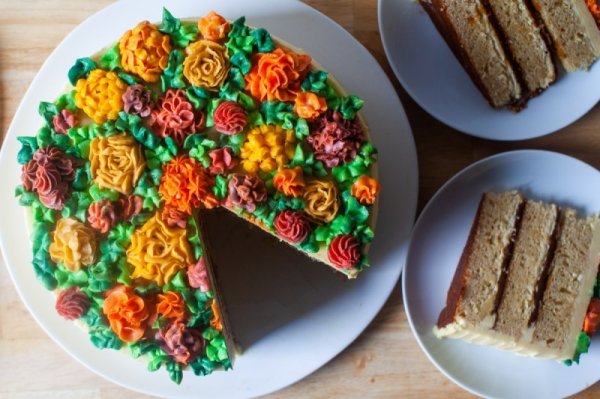
In 2008, a home baker who had been talked out of making her own wedding cake finally got the chance to bake one for friends. That first attempt, though exhausting, sparked a pattern: she would declare herself done with wedding cakes, only to take on another a few years later. By 2018, she had made a second, and just a year and a half after that, a third. Now, with three wedding cakes behind her, she’s compiled the lessons that standard baking guides often miss.
Her advice starts with a reality check. Baking a delicious cake for a small gathering is one thing; feeding an entire reception is another. For over 80 guests, a 14-inch tier is often required, which may not fit in a standard home oven. Even a 12-inch layer can fill a 5-quart mixer bowl, meaning each tier must be mixed separately. Small kitchen setbacks—like curdling a dozen-egg custard or discovering a cake shrank more than expected—can derail the whole project.
Sizing and Flavors: The Foundation
Before anything else, she advises figuring out the guest count and whether the couple wants to save the top tier. Cake serving guides, like those from Wilton, help distinguish between “party cuts” (2-inch squares) and “wedding cuts” (1-inch by 2-inch slices), the latter yielding more servings per tier. She also stresses planning for error: dowels take up space, so she builds in 20 extra slices. And she warns to check oven capacity early—a 16-inch cake won’t come out of most home kitchens.
On flavors, she suggests choosing what the couple loves, then auditioning recipes. Her own cakes have included chocolate with mango curd, German chocolate, and a salted caramel-brown butter-vanilla combination. She always makes a test cake, usually a 6-inch round, to perfect the layers, filling, and frosting before scaling up.
Cake Math and Scheduling
Scaling recipes is where many home bakers stumble. She uses the area of the pan base, not volume, to keep layers the same height across different diameters. A 6-inch pan has about 28 square inches, a 9-inch about 64, and a 12-inch about 113—so she doubles the batter for each size up. She warns against rounding fractional eggs down, as the error multiplies.
Timing is critical. Cake layers freeze well for up to two weeks, salted caramel filling keeps for two weeks in the fridge, and custard for the frosting lasts four days. She builds in extra days as a buffer, preferring to finish at least half a day before delivery. She also advises coordinating with someone other than the couple on the wedding day.
Ingredients and Tools
She recommends investing in a sturdy cake box, a drum, extra cake circles, dowels, and a good serrated knife. For ingredients, she buys extra but not hoards. She notes that a 5-pound bag of flour holds about 17 cups, and a 4-pound bag of sugar about 9 cups. For this cake, she used three types of butter: basic for browning, salted European-style for caramel, and European-style for the frosting.
The cake itself is a brown butter vanilla layer cake with salted caramel filling and German buttercream. She credits baker Erin Clarkson for the reverse-creaming method and the German buttercream idea, and Stella Parks’ recipe for the frosting base. Baking at 325°F instead of 350°F yields flatter tops and less shrinkage. The caramel is cooked to 245°F, and she pipes a frosting dam to keep it from leaking.
For assembly, she used a deconstructed style with each tier on its own stand, decorated with fresh flowers by the florist. She also shares a tutorial for buttercream flowers, a technique she’s been promising since her last wedding cake.
Her final thought: after three wedding cakes, she says she’s done—but even she doesn’t sound convinced.


Comments
Sign in to leave a comment
No account? Create one
No comments yet.